Past conferences


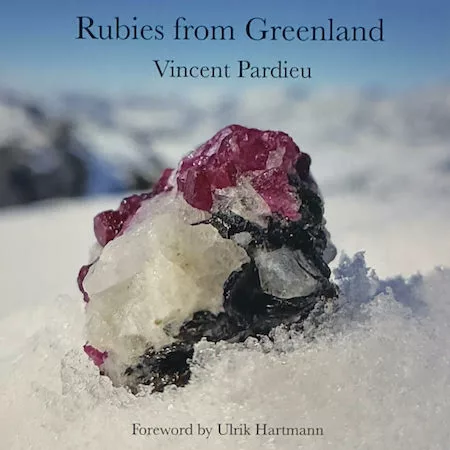
Rubies from Greenland
Gemology is traditionally practiced in laboratories, focused on identifying and analyzing gemstones. Vincent Pardieu’s journey, however, took a different path
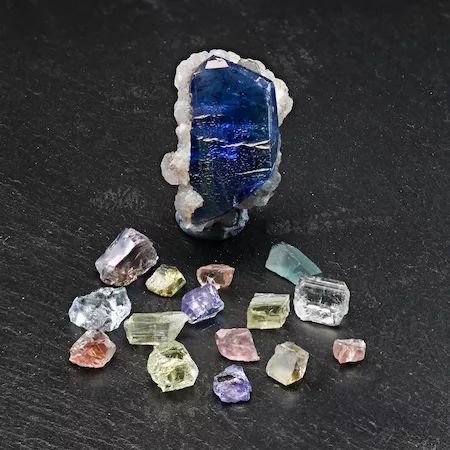
Zoisite and its many color
The mineral zoisite is a calcium alumosilicate belonging to the class of silicates, more exactly sorosilicate minerals
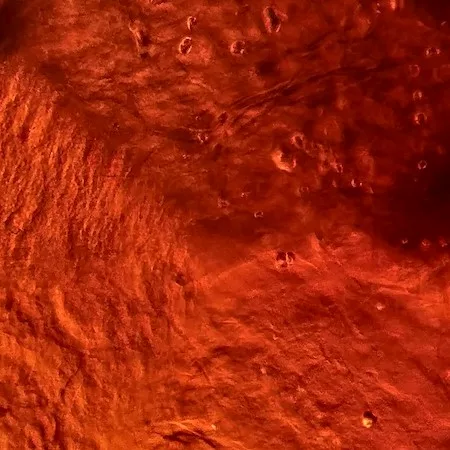
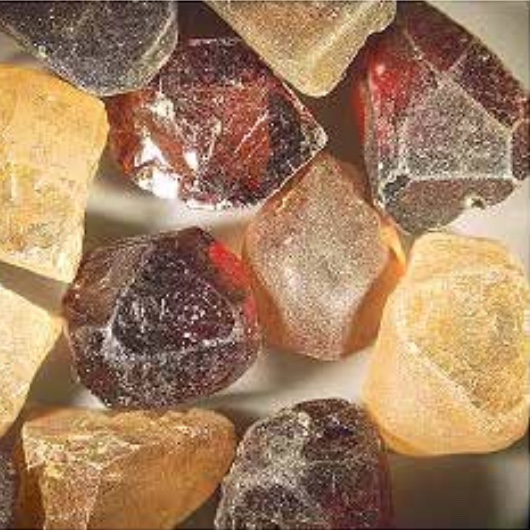
Hessonite garnet from Angul district of Odisha, India
This study describes hessonite (Fe-bearing variety of grossular garnet), found in the Birlamunda village, located in Palalahada tehsil of Angul district of Odisha state
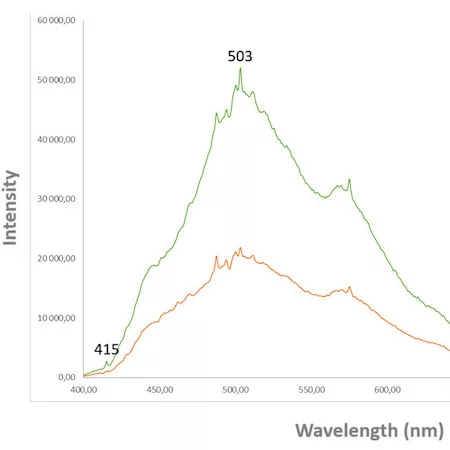
Nitrogen aggregates in yellow HPHT and CVD synthetic diamonds
Yuri Shelementyev, Galina Kriulina, Olga Yarapova, Viktor Vins, and Alexander Stolyarevich
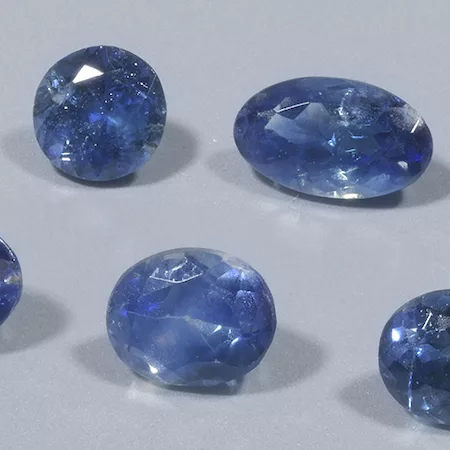
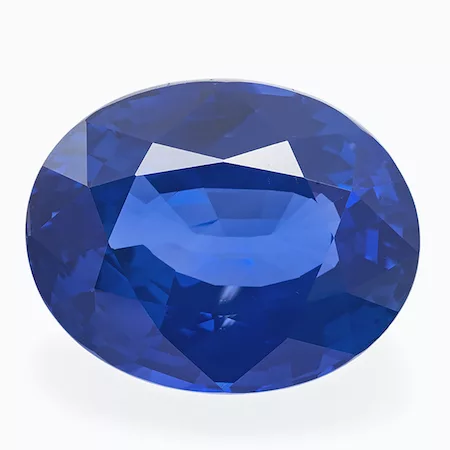
Blue sapphire from Malacacheta of Minas Gerais, Brazil
Malacacheta, located in Minas Gerais, Brazil, is renowned for its alexandrite deposits and com-plex geological setting
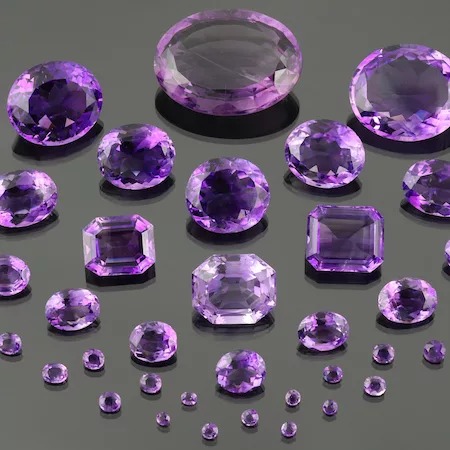
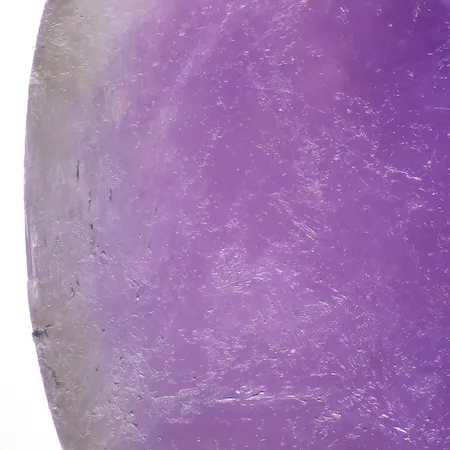
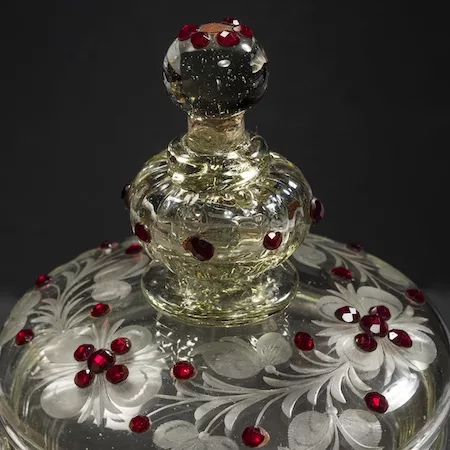
Study of “amethysts” from the French Crown Jewels
Stefanos Karampelas, Eloïse Gaillou, Annabelle Herreweghe, Ugo Hennebois, Farida Maouche, Romain Bolzoni, Steven Riou, Quentin Dartois, Bérengère Meslin Sainte Beuve, Christelle
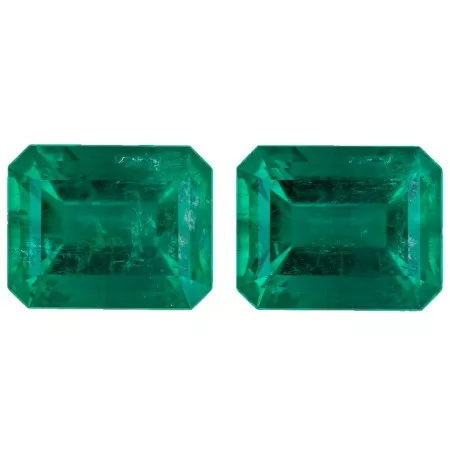
An approach to understanding the factors in the emerald enhancement clarity grading system used at CDTECGemlab
Emerald is the green variety of beryl, with its distinctive color resulting from trace amounts of chromium, vanadium, and iron
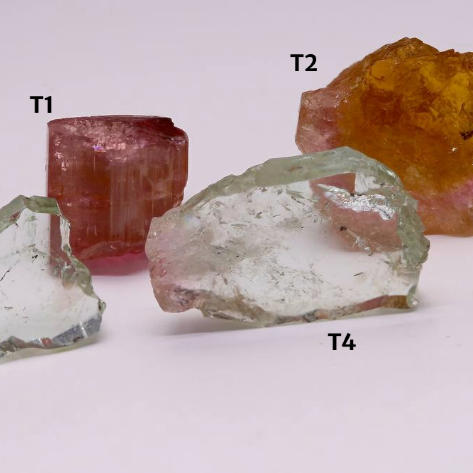
Typomorphic features of tourmalines of the Malkhan pegmatite field from the Irkutyanka vein
A.Y. Shelementyeva, Y.B. Shelementyev, O.V. Yarapova Download Pdf
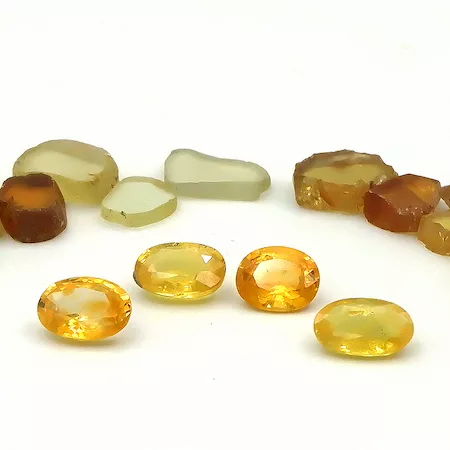
Geographic Origin Determination of Natural Yellow Sapphires: The Preliminary Study
Determining the geographic origin of yellow sapphires plays a critical role in the gem trade, as origin often dictates both perceived quality and market pricing
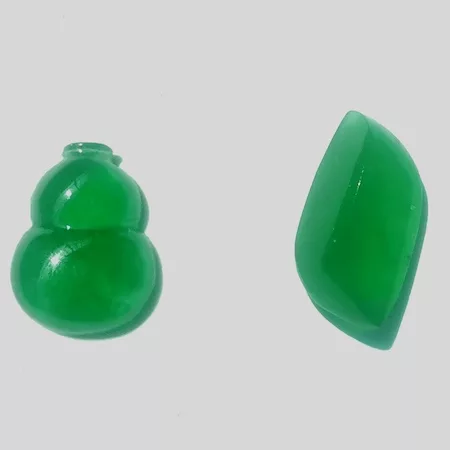
Advancing Fei Cui Origin Authentication: A comparison of green fei cui from Myanmar, Guatemala, Italy and Russia
In recent years, an increasing number of sources of fei cui, such as Guatemala, Italy and Russia, have entered the Chinese market, leading to a growing demand for precise origin de
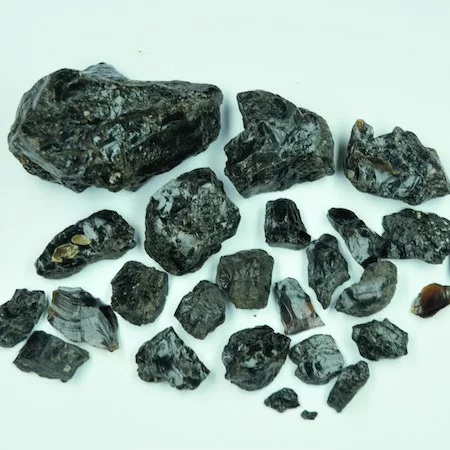
Amber from the Thanbaya Gaing Coal Mine, Minbu Township, Magwe Region, Myanmar
Amber was recently discovered by local coal miners at the Thanbaya Gaing Coal mine located 6.5 km northwest of Padaung village, and about 5 km west of Thanbaya Gaing village
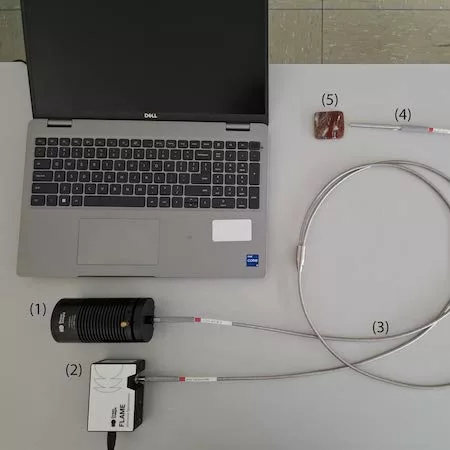
Application of Fibre Optics Reflectance Spectroscopy (FORS) for the determination of mineral pigments in jasper
The identification of pigments is carried out routinely mostly by X-ray diffraction, FTIR and Raman spectroscopy as well as visible absorption
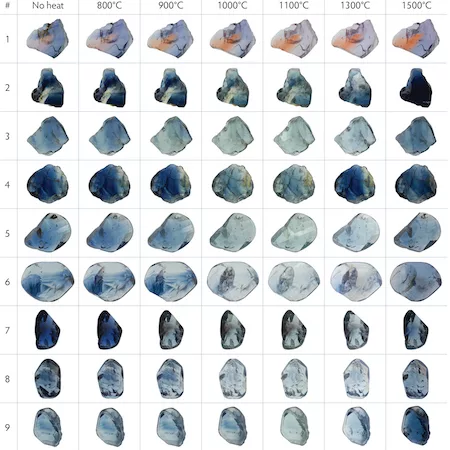
Low Temperature Heat Treatment of Madagascar Sapphire
One of the challenges facing gemologists today is the detec- tion of low temperature (below 1200°C) heat treatment in corundum (Hughes et al., 2017)
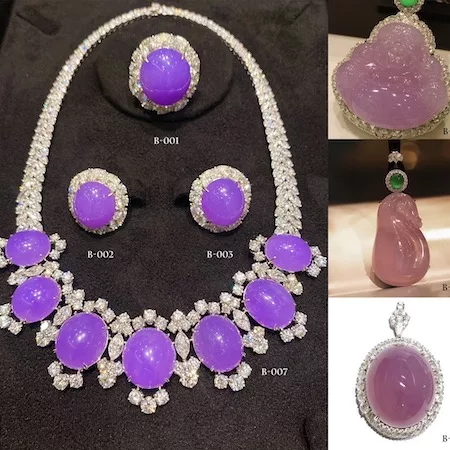
Color Genesis Analysis and Characteristics for Origin Identification of Purple Jadeite
Purple jadeite, renowned for its distinctive purple hues and rich cultural connotations, is highly admired and sought after
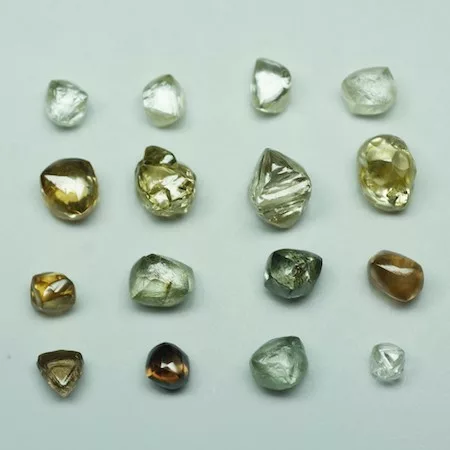
Diamonds from Than Lwin River near Mong Hsu, Myanmar
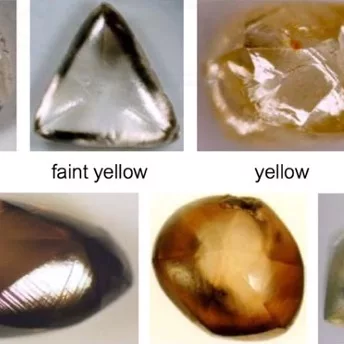
Sixteen rough diamonds were acquired in 2023 by co-author TTS from a gem dealer linked to Mong Hsu, Shan State, Myanmar
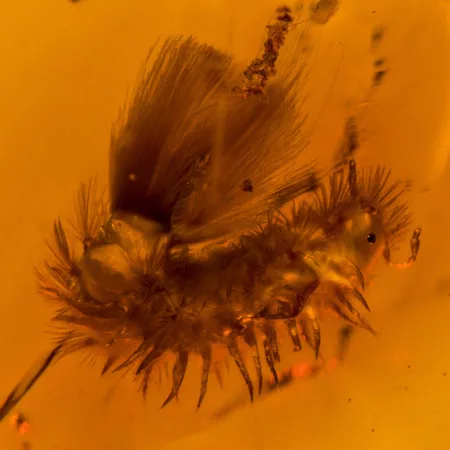
A Photo Survey of Inclusions in Fossiliferous Amber
For many, fossiliferous tree resin, primarily amber, gained wide visibility to the public in 1993 where it was prominently featured in the movie, Jurassic Park
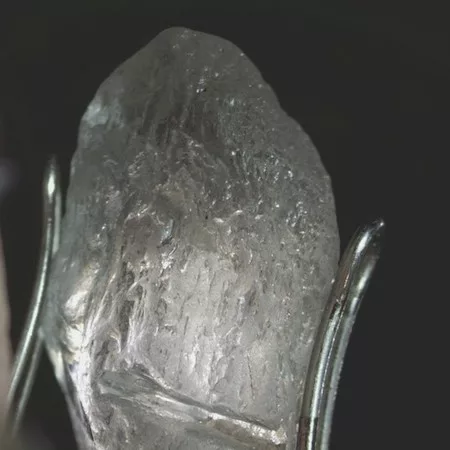
Hurlbutite from Myanmar
A crystal of the very rare mineral hurlbutite originating from Myanmar (without further locality details) was studied and faceted afterwards in two gems, which we also studied
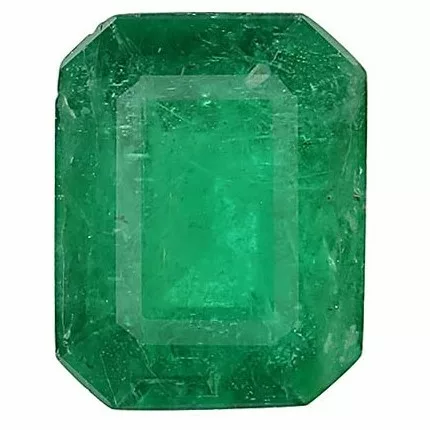
Bertrandite in Emeralds
Over the past few years we have been seeing more and more lower quality stones in the lab. The reasons for this may be related to lack of supply of finer goods, rising prices, the
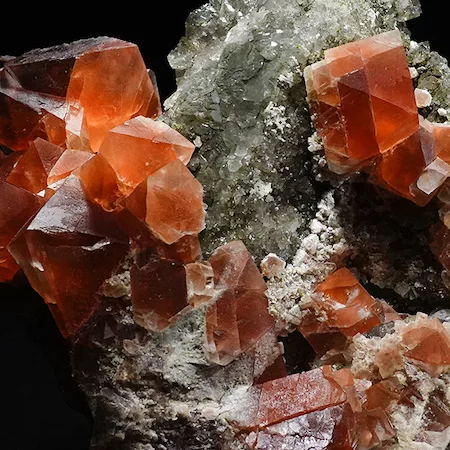
Gem-quality pink fluorite from Planggenstock, Switzerland: chemical and physical properties and a comparison with pink fluorites from other localities
In this study, first results of trace element analyses and various spectrometric investigations on pink fluorites from alpine deposits (Aar and Montblanc Massifs) as well as from t
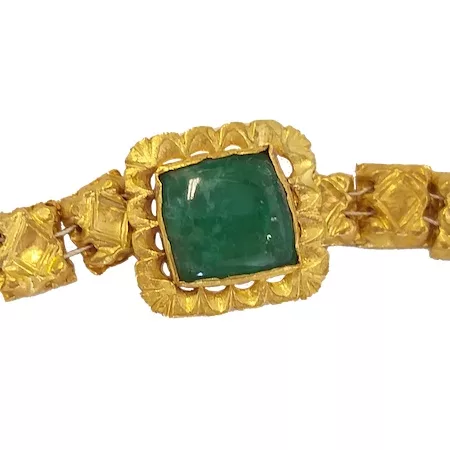
Gems in Hellenistic and Roman Jewellery of Northern Greece: An investigation from the Collections of the Archaeological Museum of Thessaloniki, Greece
This study presents the results of an interdisciplinary archaeogemological investigation focusing on gems embedded in Hellenistic and Roman jewellery from the collections of the Ar